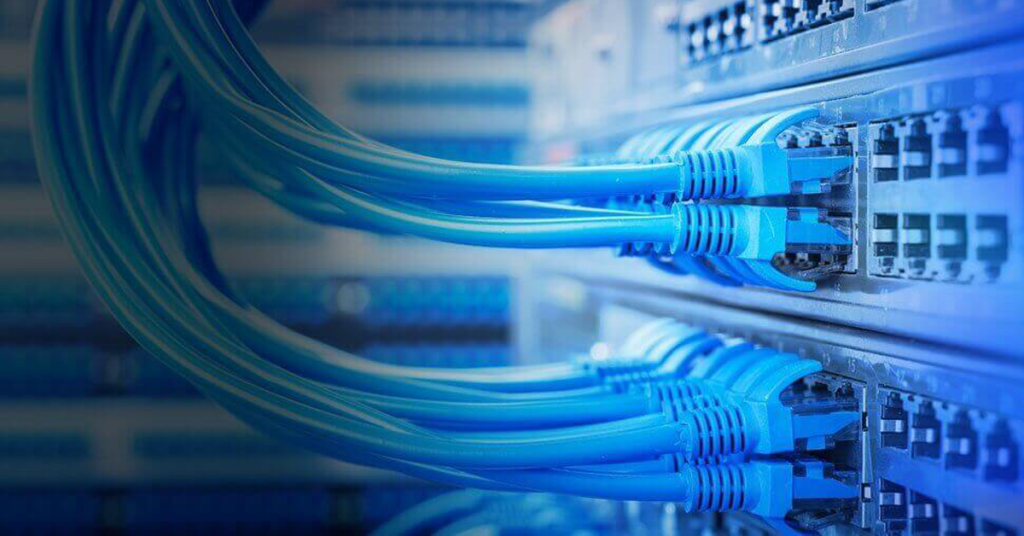
Why Professional Network Installation Matters for Small Businesses

If your business relies on the internet, phones, security cameras, or Wi-Fi, then your network is not “just IT stuff.” It’s critical infrastructure. And like any infrastructure, how it’s installed determines how reliable it will be long-term. Many small businesses start with consumer-grade networking gear and improvised cabling. It works… until it doesn’t. Slow speeds, […]

Why Professional Network Installation Matters for Small Businesses Read More »
Why Businesses Are Switching to Cloud-Managed Access Control

Traditional key systems and on-premise access control platforms are being rapidly replaced by cloud-managed access control. Businesses are looking for greater flexibility, better visibility, and stronger security without the burden of maintaining local servers and control hardware. As physical security systems become more connected, access control is evolving into a centrally managed, software-driven solution that

Why Businesses Are Switching to Cloud-Managed Access Control Read More »

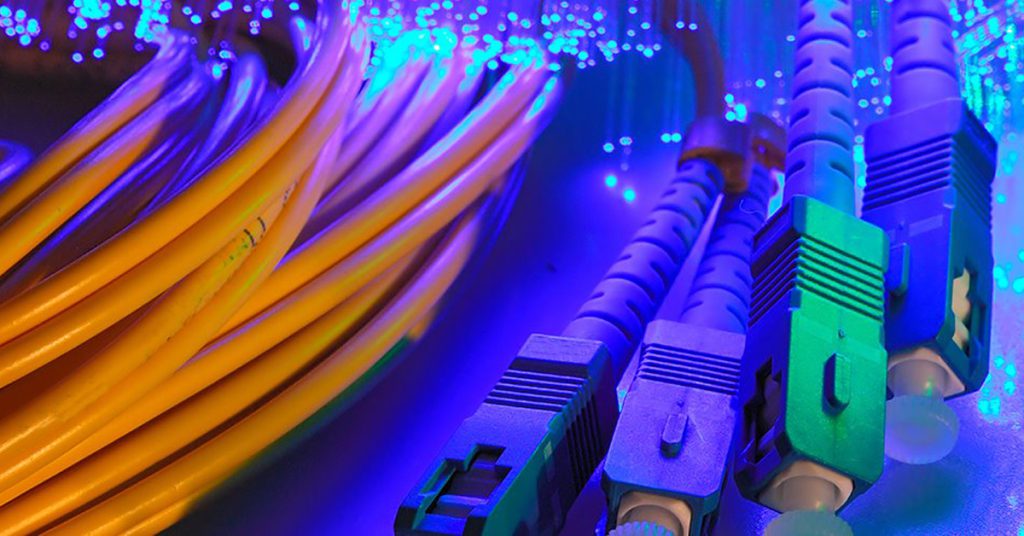
Understanding Fiber Optic Cabling in Commercial Buildings

Fiber optic cabling is no longer reserved for data centers. Modern commercial buildings increasingly rely on fiber to support high-speed connectivity, long distances, and future bandwidth demands. As networks grow more complex, fiber often becomes the backbone that connects switches, closets, buildings, and security systems. For a broader overview of how fiber fits into your

Understanding Fiber Optic Cabling in Commercial Buildings Read More »

Structured Cabling vs Point-to-Point Wiring: What’s the Difference?

Not all network cabling is created equal. Many older buildings and budget installations rely on point-to-point wiring, while modern commercial environments use structured cabling systems. Understanding the difference can save thousands of dollars during future expansions and upgrades. For a broader overview of how cabling choices affect your entire network, see our Comprehensive Guide to

Structured Cabling vs Point-to-Point Wiring: What’s the Difference? Read More »

Why Manufacturer-Certified Cabling Matters for Your Business Network

When businesses invest in structured cabling, they often focus on cable type, speed ratings, or upfront price. What many overlook is who installs the system and whether that installation qualifies for manufacturer certification. Manufacturer-certified cabling is not marketing fluff. It directly impacts network reliability, warranty coverage, and long-term operational cost. For a broader look at

Why Manufacturer-Certified Cabling Matters for Your Business Network Read More »

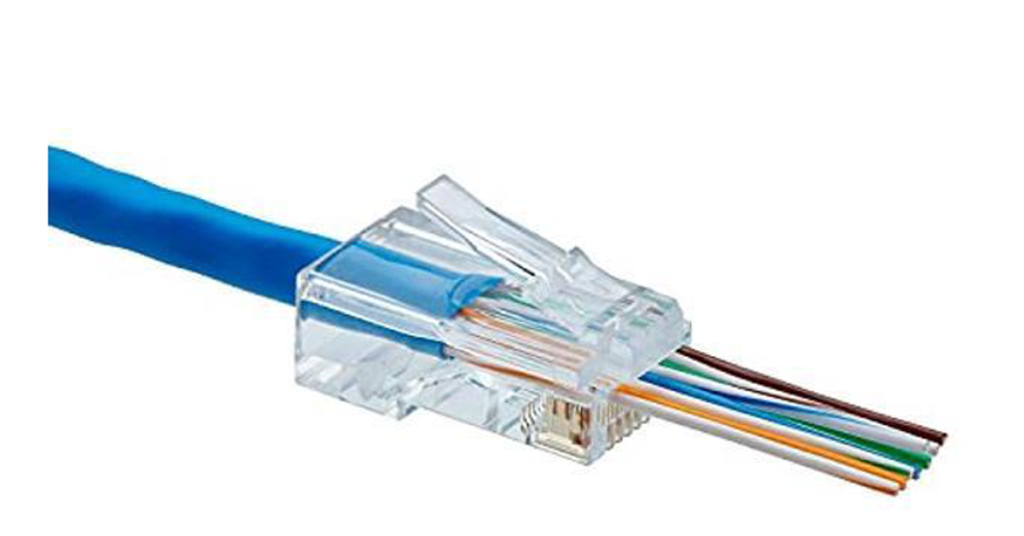
Understanding the Difference Between Pass-Through RJ45 Connectors and Standard Ones

In networking, the RJ45 connector plays a critical role in ensuring reliable connectivity. Whether you’re setting up a small office network or managing a larger commercial installation, the type of RJ45 connector you use can directly affect performance, reliability, and installation quality. While connectors may seem like a small detail, termination quality is a common

Understanding the Difference Between Pass-Through RJ45 Connectors and Standard Ones Read More »

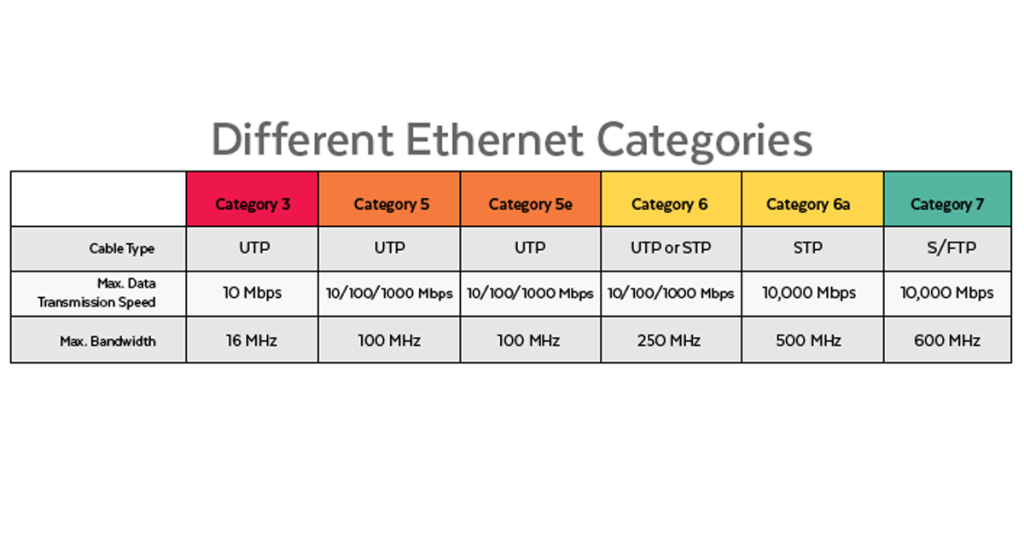
Understanding Ethernet Cables: Exploring the Differences Between Cat3, Cat5, Cat5e, Cat6, Cat6a, Cat7, and Cat8

In the world of networking, Ethernet cables play a critical role in connecting devices and moving data reliably. With multiple categories available, ranging from Cat3 to Cat8, it can be difficult to determine which cable type is appropriate for a given environment. Choosing the wrong category can limit performance or require costly upgrades later. For

Understanding Ethernet Cables: Exploring the Differences Between Cat3, Cat5, Cat5e, Cat6, Cat6a, Cat7, and Cat8 Read More »

Unlocking the Speed of Light: The Role of Fiber Optics in Modern Networking

In the digital age, where data transmission speed and reliability are paramount, fiber optics technology has become a critical backbone of modern communication networks. As businesses demand more bandwidth and greater reliability, fiber optics continues to replace traditional copper cabling in key parts of the network. To understand where fiber fits within an overall infrastructure

Unlocking the Speed of Light: The Role of Fiber Optics in Modern Networking Read More »

The Comprehensive Guide to Network Cabling: Understanding Its Backbone

In the intricate world of network infrastructure, the significance of a meticulously designed and properly implemented cabling system cannot be overstated. Network cabling is the foundation upon which modern communication, data exchange, and business operations are built. This guide explores the major types of network cabling, their applications, and the best practices that ensure long-term

The Comprehensive Guide to Network Cabling: Understanding Its Backbone Read More »

Scroll to Top